Watercolor vs. Acrylic vs. Oil Paint: Pros and Cons of Each Medium
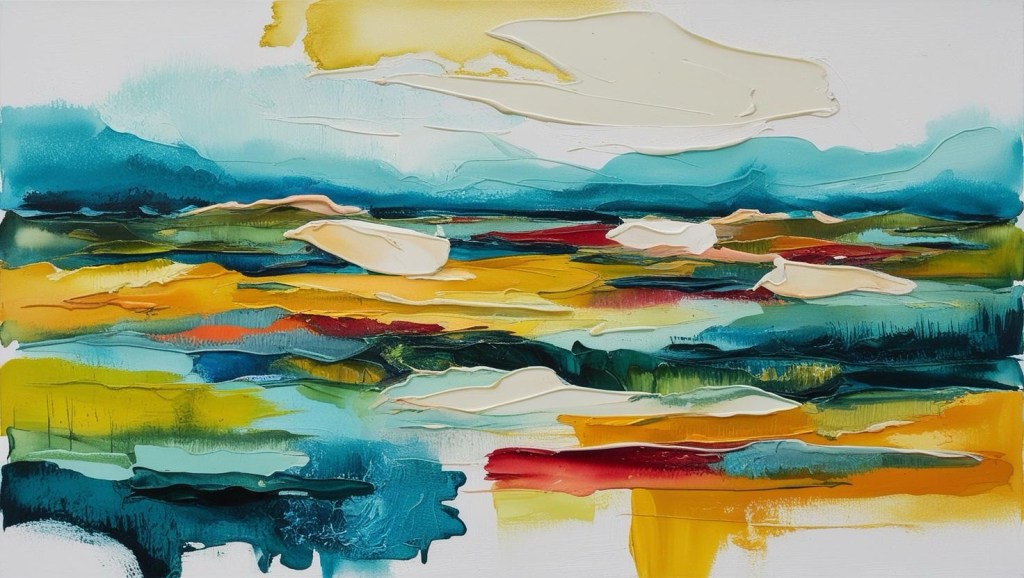
Choosing the right paint medium can significantly impact your artistic process and final artwork. Watercolor, acrylic, and oil paints each have distinct characteristics that make them suitable for different styles, techniques, and skill levels. Whether you’re a beginner exploring your options or an experienced artist looking to experiment with a new medium, understanding the pros and cons of each can help you make an informed decision.

Watercolor Paint
Watercolor is a transparent, water-based medium known for its soft, fluid effects. It is often used for landscapes, botanical illustrations, and delicate washes of color.
Pros:
✅ Fast Drying – Watercolors dry quickly, making them great for quick sketches and spontaneous creativity.
✅ Portable & Easy to Clean – All you need is water, making it ideal for travel or plein air painting.
✅ Layering & Transparency – Creates delicate, luminous effects that are difficult to achieve with other mediums.
✅ Affordable – Generally, watercolors are more budget-friendly, as a little paint goes a long way.
Cons:
❌ Less Control – Paint can spread unpredictably, making precision more challenging.
❌ Difficult to Correct Mistakes – Once the pigment is absorbed into the paper, it’s hard to undo errors.
❌ Limited Surface Options – Works best on specialized watercolor paper, which can be expensive.

Acrylic Paint
Acrylics are versatile, fast-drying, and water-soluble paints that can mimic the properties of both oil and watercolor. They are widely used in contemporary art and mixed media projects.
Pros:
✅ Fast Drying – Ideal for artists who work quickly or want to layer colors without long wait times.
✅ Versatile – Can be applied thickly like oils or diluted for watercolor-like effects.
✅ Durable & Long-Lasting – Once dry, acrylics are water-resistant and less prone to cracking than oils.
✅ Easy Cleanup – Water-based, so brushes and palettes clean easily with soap and water.
Cons:
❌ Dries Too Quickly for Some Techniques – Blending and wet-on-wet techniques can be difficult.
❌ Color Shift – Some acrylics dry darker than they appear when wet.
❌ Can Feel Plastic-like – When dry, acrylic paint has a synthetic finish that some artists find less appealing.
Oil Paint
Oil paints are known for their rich color, slow drying time, and smooth blending capabilities. They have been used by master artists for centuries, from the Renaissance to modern fine art.
Pros:
✅ Superior Blending & Layering – The slow drying time allows for seamless transitions between colors.
✅ Rich, Vibrant Colors – Offers a depth and luminosity that is hard to achieve with other paints.
✅ Durability & Longevity – Oil paintings remain vibrant for centuries if properly maintained.
✅ Works on Many Surfaces – Can be applied to canvas, wood, and even metal.
Cons:
❌ Slow Drying Time – Can take days or weeks to fully dry, which may delay progress.
❌ Requires Special Cleaners – Brushes need to be cleaned with solvents like turpentine or mineral spirits.
❌ Expensive & Requires More Materials – High-quality oils, primers, and solvents can add up in cost.
❌ Strong Odor – Some oil paints and solvents have strong fumes, requiring proper ventilation.
Which Paint Medium is Best for You?
• Choose Watercolor if you enjoy light, transparent effects, portability, and working quickly.
• Choose Acrylic if you want versatility, fast drying times, and an easy-to-use medium for various styles.
• Choose Oil if you prefer rich textures, smooth blending, and don’t mind longer drying times or additional materials.
Each medium has unique qualities that can enhance your artistic expression. Experimenting with all three can help you discover which best suits your creative vision!
What’s your favorite painting medium and why? Share your thoughts in the comments!

 agantz art