Charcoal drawing is more than just an art form—it’s an exploration of light and shadow, a dance between softness and intensity. With each stroke, charcoal pencils create worlds that feel both raw and refined, mysterious and expressive. Whether you’re sketching delicate wisps of smoke or the deep shadows of a stormy sky, mastering charcoal is about learning to embrace its fluid, unpredictable nature.
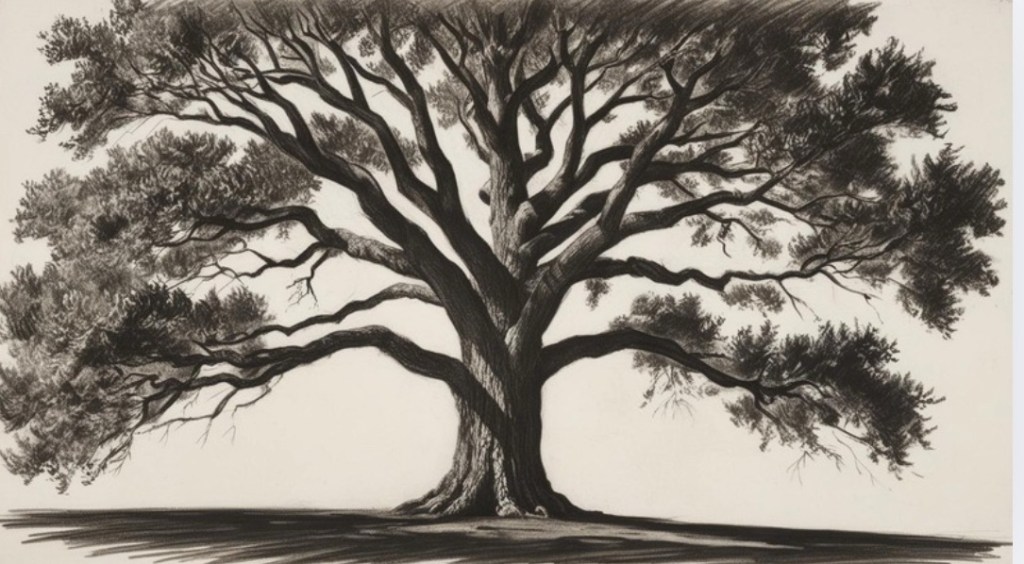
If you’ve ever felt drawn to the rich, velvety textures of charcoal but hesitated to dive in, let this be your guide. Let’s explore the techniques that turn smudges into shadows and rough lines into stories.
1. The Whisper and the Roar: Pressure Control
Charcoal is an artist’s paradox—it responds to the gentlest touch but also welcomes the boldest gestures. Learning to control your pressure is like learning the notes of a musical scale.
• Soft strokes: Hold the pencil lightly, barely grazing the paper, to create subtle gradients and misty effects.
• Heavy strokes: Press firmly for bold, dramatic lines that command attention.
• Blended pressure: Vary the weight of your hand within a single stroke to transition from dark to light effortlessly.
Try this: Draw a single line, gradually increasing and decreasing pressure along its length. Notice how it shifts from whisper to roar, like a fading echo.
2. The Alchemy of Smudging and Blending
Smudging is where charcoal becomes magic. A harsh mark can melt into softness with the right touch, allowing for dreamlike transitions and deep atmospheric effects.
Tools of the Trade:
• Fingers: The oldest blending tool—great for organic, intuitive smudging.
• Tortillons & Blending Stumps: Perfect for controlled, detailed blending in small areas.
• Cotton Pads & Tissue Paper: Ideal for sweeping, soft transitions in backgrounds.
• Brushes: A soft brush can create an airy, almost ghostly effect on charcoal.
Try this: Draw a dark charcoal patch, then use different tools to blend it outward in varying degrees. Notice how each technique affects the mood of the drawing.
3. Negative Space: The Art of Erasing
In charcoal, erasing isn’t just for mistakes—it’s for sculpting light. Think of an eraser as your paintbrush for brightness.
Techniques to Try:
• Lifting Highlights: Use a kneaded eraser to gently dab areas, pulling charcoal away to create soft highlights.
• Sharp Details: Use a precision eraser (or even a sharpened piece of eraser) to carve out fine highlights, like the glint in an eye or the edges of a cloud.
• Subtractive Drawing: Cover a page in charcoal, then “draw” by erasing highlights, revealing the subject through light instead of shadow.
Try this: Shade a page lightly and “draw” a glowing moon by erasing light into the darkness.
4. The Dance of Line and Texture
Charcoal isn’t just about smooth gradients—it’s also about energy and movement. Experimenting with different types of marks adds texture and life to your work.
• Cross-hatching & Scribbling: These techniques add energy and structure.
• Broken Strokes: Allowing gaps in your lines creates a sense of light filtering through.
• Feathering: Light, flicking strokes can create hair, fur, or soft textures.
• Dry & Wet Techniques: Dipping charcoal in water or using a damp brush can create unexpected textures and bolder contrasts.
Try this: Experiment with at least five different mark-making techniques on a single page, then combine them in a single drawing.
5. The Power of Shadow: Depth & Contrast
Charcoal thrives in its ability to create deep, atmospheric shadows. A drawing is only as strong as its contrasts—without deep blacks, your highlights won’t shine.
• Push the darks: Don’t be afraid to go as deep as possible with compressed charcoal for the richest blacks.
• Soft vs. Hard Edges: Blending shadows into soft, gradual fades creates realism, while sharp edges add drama.
• Layering Shadows: Instead of making one dark layer, build up depth gradually with multiple layers for a more nuanced effect.
Try this: Draw a face or an object lit by a single light source and exaggerate the contrast to create a cinematic effect.
Final Thoughts: The Soul of Charcoal
Charcoal is raw, instinctive, and deeply expressive. It’s the medium of smoky landscapes, whispered secrets, and the stark beauty of black and white. It forces you to embrace imperfection, to work with what emerges on the page rather than against it.
So, pick up a charcoal pencil. Make a mess. Let the shadows tell their story. Somewhere in the smudges, you’ll find your voice.
Would you like a list of inspiring charcoal artists to study? Or tips on how to combine charcoal with other media? Let’s keep the creative conversation going!
 agantz art