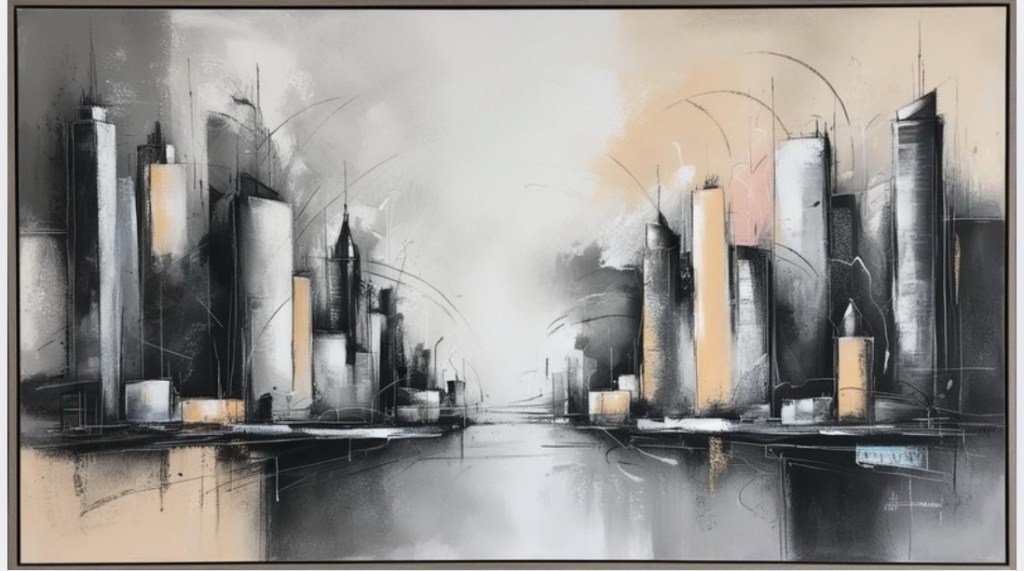
Abstract Drawing with Charcoal Pencils and Pastels
Abstract drawing with charcoal pencils and pastels is an expressive and dynamic art form that blends bold, gestural marks with delicate tonal variations. Using these mediums together allows artists to explore contrasts in texture, depth, and movement while creating compositions that evoke emotion and imagination.
Charcoal in Abstract Drawing
Charcoal pencils provide deep, rich blacks and a range of grays, making them ideal for expressive mark-making. Artists can use soft, medium, and hard charcoal to create different effects:
• Soft charcoal smudges easily, perfect for blending and creating depth.
• Hard charcoal produces sharper, more defined lines for structure and contrast.
• Compressed charcoal offers intense, bold blacks for dramatic compositions.
Techniques such as hatching, cross-hatching, smudging, and erasing allow artists to manipulate light and shadow, adding complexity to their abstract works.
Pastels in Abstract Drawing
Soft pastels and oil pastels introduce vibrant color and texture to abstract pieces. They can be applied in layers, blended, or used with bold strokes to create movement and contrast.
• Soft pastels blend easily and create a smooth, painterly effect.
• Oil pastels are more resistant to smudging, offering thicker, textured applications.
• Pastel pencils provide precision while maintaining the softness of pastels.
By layering charcoal with pastels, artists can enhance depth and energy in their work, balancing monochromatic intensity with bursts of color.
Combining Charcoal and Pastels
Using charcoal and pastels together allows for striking compositions with dynamic contrasts. Artists can:
• Start with charcoal underdrawings to establish movement and form.
• Introduce pastels for highlights and color accents to enhance emotion and energy.
• Use erasers and blending tools to create soft edges and atmospheric effects.
• Experiment with paper textures, as rougher surfaces help grab pigment and add depth.
This mixed-media approach is particularly effective for gestural, expressive, and experimental abstract art, where emotion and movement take precedence over realism.
Would you like tips on specific techniques or artists known for working in this style?
 agantz art